How Cold Is Too Cold To Paint Your House In Central Texas?
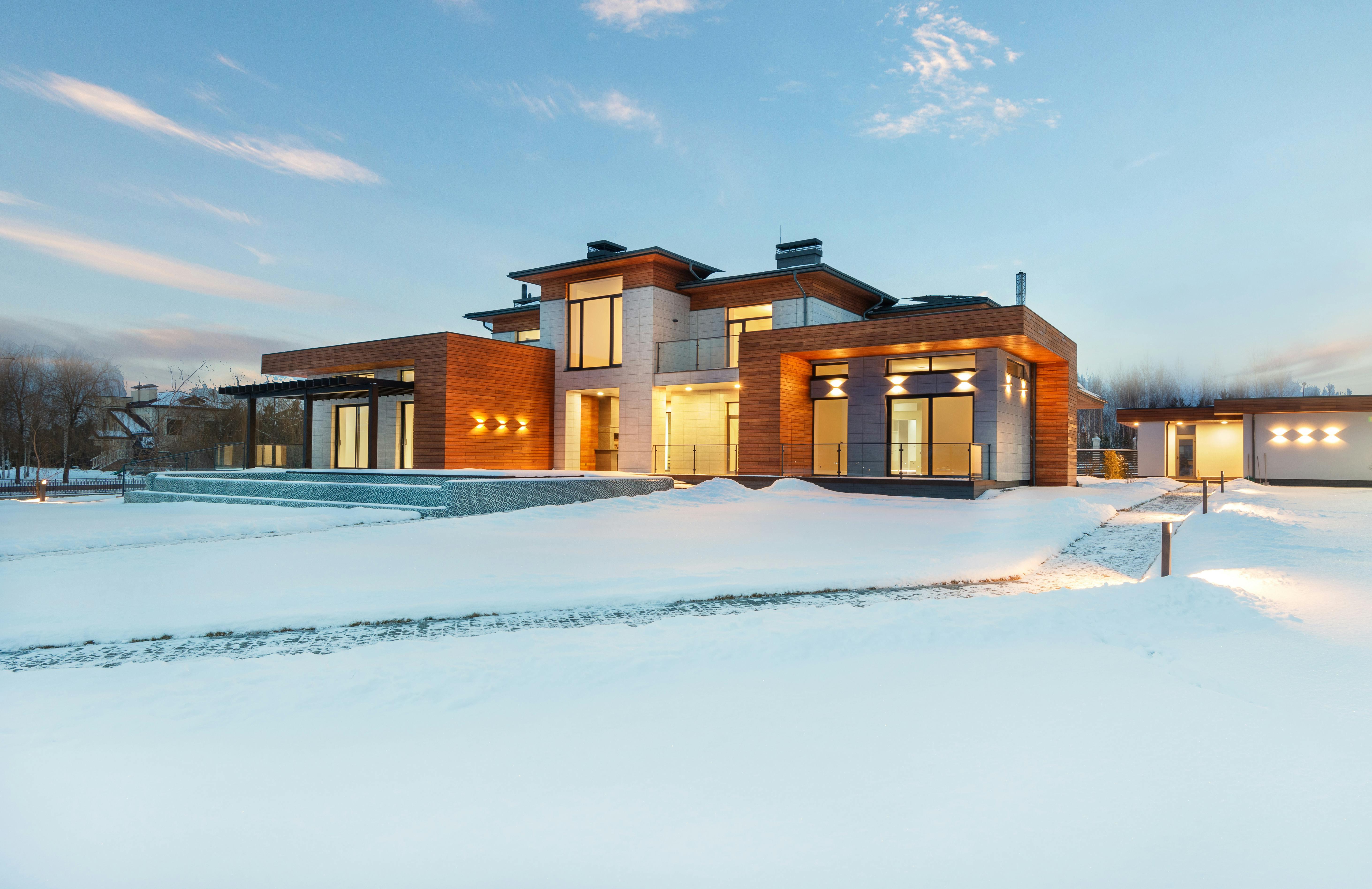
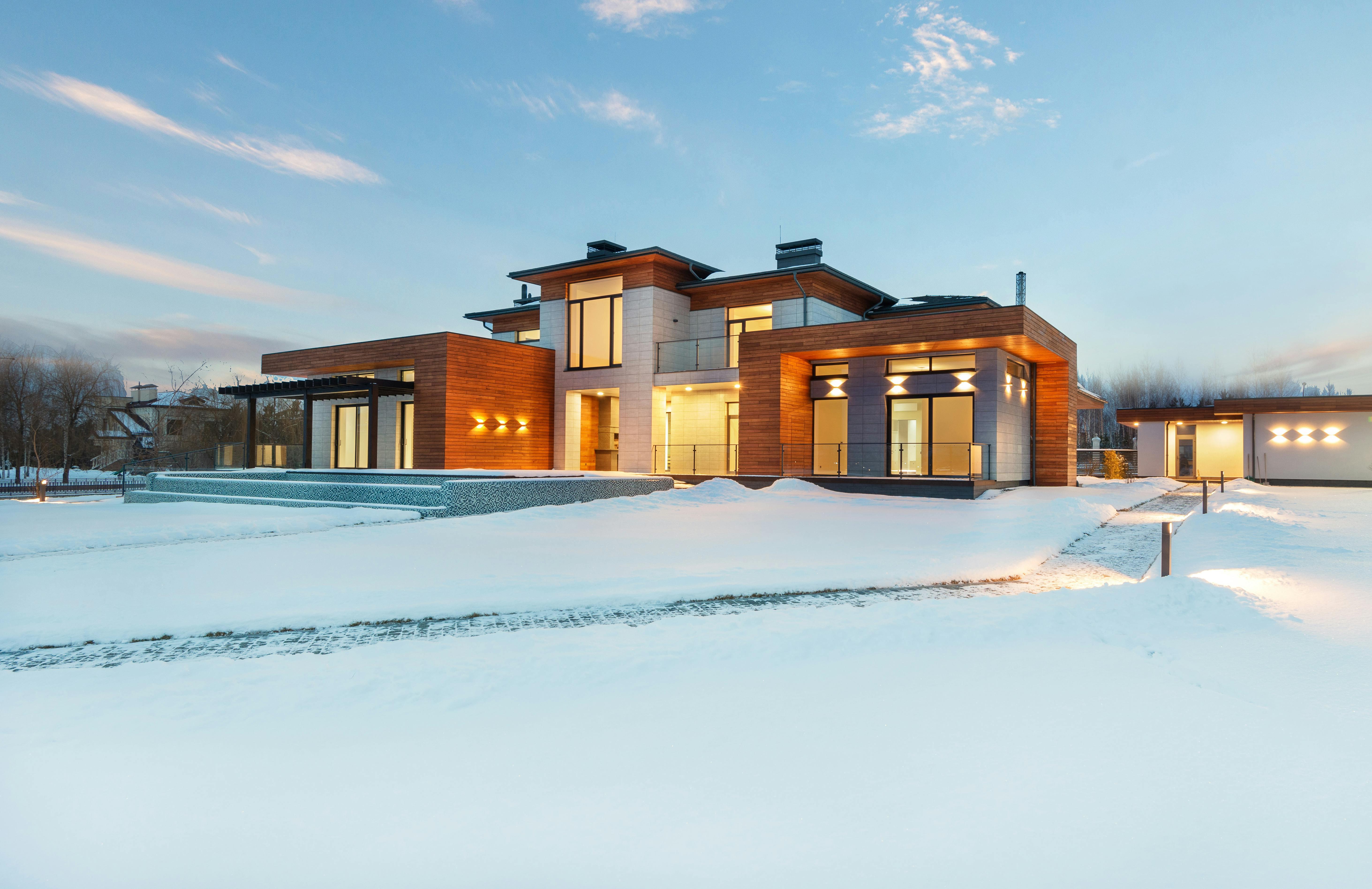
Painting your home’s exterior in Central Texas comes with its own set of unique weather considerations. While our region’s winters are milder than in many other parts of the country, North Texas still experiences temperature swings that can impact how paint adheres and cures. Whether you’re looking to boost curb appeal or protect your siding from the elements, understanding the best temperature range is essential for a long-lasting, professional-looking finish.
Most paint manufacturers recommend painting at temperatures above 50°F. This threshold ensures that:
- The paint flows smoothly and evenly.
- The drying and curing times are optimal.
- You avoid issues with cracking, peeling, or uneven texture.
That said, some specialized paints are formulated to be applied at lower temperatures (some as low as 35°F). However, these products might require a specific primer, thinner coats, or longer drying times.
Why Temperature Matters
When paint is applied, it undergoes chemical reactions that help it bond to the surface. If it’s too cold:
- Viscosity Issues: Paint gets thicker and harder to spread, leading to uneven coverage.
- Extended Dry Time: The paint may not cure properly, remaining tacky longer and attracting dirt or dust.
- Moisture and Condensation: In cooler or fluctuating temperatures, condensation can form on painted surfaces, preventing proper adhesion.
Conversely, extremely hot conditions (common in Texas summers) can cause paint to dry too quickly on the surface, trapping moisture underneath.
Central Texas Climate Considerations
In Plano and the broader Central Texas area, winter temperatures can dip into the 30s, especially overnight. The key is monitoring both daytime and nighttime temperatures. A few tips:
- Check the Forecast: Aim for a stretch of days with daytime highs above 50°F and overnight lows not dropping below the mid-30s.
- Keep an Eye on Humidity: Humidity can slow the drying process. In winter, it might be less of an issue than during the muggy summer months, but it’s still a factor.
- Plan Your Schedule: Start painting later in the morning, once surfaces have had a chance to warm up and any morning dew has evaporated.
Preparing the Surface for Success
Even in milder winter conditions, proper preparation goes a long way to ensure the paint adheres and cures correctly:
- Clean Thoroughly: Remove dirt, mildew, or chalky residue that can prevent paint from bonding.
- Repair Damaged Areas: Patch cracks, holes, or damaged siding before painting.
- Prime If Needed: Primers are especially helpful in cold-weather applications. They provide a uniform surface that helps paint adhere better.
If you’re unsure about what type of paint or primer is best for cold-weather painting, consult a professional or refer to the manufacturer’s specifications.
Potential Risks of Painting in Cold Weather
While mild winter days in Central Texas can be favorable for painting, be mindful of a few potential pitfalls:
- Rapid Temperature Drops: Even if the daytime high is 55°F, dropping temperatures at night can affect paint that’s still curing.
- Shorter Daylight: Winter days are shorter, meaning less working time to apply multiple coats.
- Quality Issues: If you force painting in cold conditions without the right preparations or products, you risk a finish that may need early touch-ups or repainting.
Trust the Pros at Spray Tex Painting
At Spray Tex Painting, we understand the nuances of painting in our North Texas climate. Our team:
- Monitors weather forecasts to pick the optimal painting window.
- Uses top-quality paints and primers designed for variable temperatures.
- Applies best practices to ensure a smooth, durable finish.
Why Choose Spray Tex Painting?
- Local Expertise: We’ve served homeowners in the Plano and Central Texas region for years, so we know how to adjust for unpredictable weather.
- Professional Prep Work: From power-washing to repairs, we handle every step of the process.
- Quality Materials: We use paint and primer formulations that are specifically rated for cold-weather performance.
Conclusion
While painting in cooler temperatures can be done successfully in Central Texas, it requires extra care, the right products, and an eye on the forecast. Generally, you’ll want to avoid painting when daytime temperatures dip below 50°F for extended periods or if the overnight lows remain below the mid-30s. If you’re not sure how to navigate the unpredictable winter weather, consider hiring a professional painter like Spray Tex Painting to ensure you get a high-quality, long-lasting finish—no matter the season.
Ready to give your home a fresh coat of paint, even in cooler weather? Contact Spray Tex Painting to schedule a consultation. We’ll help you determine the best approach, timing, and products to make your home look its best in the Plano, TX climate!